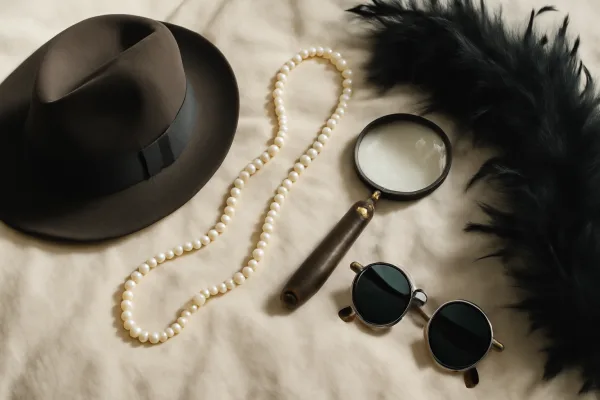
The costume you wear to a murder mystery party is not just clothing — it is your character’s first impression, your commitment to the roleplay, and often the element that guests remember most vividly months after the event. A great costume transforms you from a person reading clue cards into a suspicious socialite, a shady butler, a glamorous flapper, or a grizzled detective. Yet costume anxiety is the number one reason people hesitate to attend murder mystery parties, with many potential guests declining invitations because they feel overwhelmed by the prospect of assembling a themed outfit.
The truth is that incredible murder mystery costumes do not require sewing skills, expensive purchases, or trips to specialty costume shops. With a few strategic pieces, creative accessorizing, and the confidence that comes from understanding what actually makes a costume work, anyone can assemble a convincing character look from items they already own supplemented by a few inexpensive additions. This guide provides specific, actionable costume ideas for every popular murder mystery theme, organized by budget level so you can look amazing whether you are spending five dollars or fifty.
Each section includes must-have pieces, optional upgrades, where to find everything affordably, and photo-worthy accessories that elevate any costume from adequate to outstanding. By the time you finish reading, you will never decline a murder mystery invitation because of costume stress again.
The 3-Piece Costume Formula That Works for Any Theme
Professional costume designers use a simple formula that works across every theme and budget: one base outfit piece, one character-defining accessory, and one detail that shows commitment. This three-piece approach creates a convincing costume with minimal effort and expense.
Piece 1 — The base outfit: This is the foundation garment that establishes the era or setting. It is usually something you already own: a black dress, a suit, a Hawaiian shirt, casual denim, or formal wear. The base outfit does not need to be perfect — it just needs to be in the right ballpark for the theme.
Piece 2 — The character-defining accessory: This single accessory immediately communicates your character to everyone who sees you. A feather headband says “1920s flapper.” A deerstalker hat says “detective.” A captain’s hat says “ship’s officer.” An eye patch says “pirate.” This piece does the heaviest lifting in terms of character communication and is where your small budget is best invested.
Piece 3 — The commitment detail: This is the small touch that shows you put thought into your costume. It might be a prop (a magnifying glass, a fake cigarette holder, a monocle), a makeup choice (dramatic eyeliner for a femme fatale, a drawn-on mustache for a Victorian gentleman), or a behavior commitment (speaking in an accent, carrying a fan, adjusting imaginary spectacles). This detail is what separates a costume from a disguise and what makes other guests say “you look amazing.”
| Theme | Base Outfit (Own It) | Character Accessory ($3-10) | Commitment Detail ($0-5) |
|---|---|---|---|
| 1920s Speakeasy | Black dress or dress shirt + slacks | Feather headband / Suspenders + bow tie | Long pearl necklace / Pocket square |
| Victorian | High-collar blouse + long skirt / Waistcoat + dress shirt | Cameo brooch / Pocket watch chain | Lace gloves / Walking cane |
| Hollywood | Cocktail dress / Suit | Oversized sunglasses / Fake Oscar statuette | Autograph book / Red carpet scarf |
| Pirate/Tropical | Hawaiian shirt / White blouse | Pirate hat or bandana / Eye patch | Toy sword / Gold hoop earring |
| Gothic Horror | All black clothing | Cape or hooded cloak / Fangs | Dramatic eye makeup / Fake blood |
| Wild West | Jeans + plaid or denim shirt | Cowboy hat / Sheriff badge | Bandana around neck / Toy gun holster |
| 1980s Retro | Bright colors, denim, leg warmers | Neon sunglasses / Sweatband | Side ponytail / Walkman prop |
| Casino/Spy | Tuxedo or formal black dress | Martini glass prop / Toy gun | Bow tie / Playing card tucked in pocket |
1920s Speakeasy Costumes: The Most Popular Theme
The 1920s Speakeasy is the most popular murder mystery party theme, and for good reason: the costumes are universally flattering, easy to assemble, and genuinely fun to wear. The key is understanding that 1920s fashion was about excess, glamour, and breaking social norms — which makes it the perfect aesthetic for a party.
For women — The Flapper Look:
- Budget ($0-10): Any black or dark-colored dress you already own. Add a feather headband ($3-5 at a party store or Amazon), a long strand of fake pearls ($3-5), and bold lipstick. This three-piece combination is instantly recognizable as 1920s and requires almost no special purchasing.
- Mid-range ($15-30): Add a sequined or beaded headband, a faux fur stole or feather boa ($8-12), T-strap shoes or any strappy heels you own, and a vintage-style clutch purse. A cigarette holder prop ($3-5, no actual cigarette needed) is the ultimate flapper accessory.
- Premium ($30-60): Purchase a dedicated flapper dress with fringe or sequins (available on Amazon for $25-45). Add a rhinestone headpiece, elbow-length gloves, and a beaded evening bag. Professional-quality flapper costumes at this price point rival costumes that cost three times as much from specialty retailers.
For men — The Dapper Gentleman: You might also enjoy our guide on mystery party themes.
- Budget ($0-10): A dress shirt (preferably white) with the top button undone, dark slacks, and suspenders ($5-8 at a thrift store or Amazon). Add a bow tie if you have one. This simple combination immediately evokes 1920s masculine style.
- Mid-range ($15-25): Add a fedora or newsboy cap ($8-15), a pocket square, and a vest or waistcoat (check thrift stores first). Cufflinks and a tie pin complete the look.
- Premium ($30-50): A full three-piece suit with pinstripes (thrift stores are goldmines for these), a high-quality fedora, leather dress shoes, and a pocket watch chain. A prop violin case or flask adds character-specific flair.
Victorian/Sherlock Holmes Costumes
Victorian costumes require slightly more effort than 1920s looks but create an atmospheric elegance that perfectly suits detective-themed mysteries. The key elements are high collars, structured garments, and accessories that suggest an era of formality and refinement.
For women:
- Essential pieces: A high-necked blouse (any white or cream blouse with a collar works), a long dark skirt, and a shawl or wrap. Pin a cameo brooch at the collar for instant Victorian authenticity.
- Elevating accessories: Lace gloves, a parasol (available at thrift stores and dollar stores), a small handbag or reticule, and hair styled up with pins or a decorative comb. A mourning veil (simple black netting from a craft store) creates a dramatic widow character.
For men:
- Essential pieces: A waistcoat over a dress shirt (thrift stores almost always have waistcoats for under $10), dark trousers, and a tie or cravat. A pocket watch chain (even without an actual pocket watch) is the defining Victorian male accessory.
- Elevating accessories: A top hat or bowler hat ($10-15 from party or costume stores), a walking cane, leather gloves, and a monocle ($3-5 from novelty shops). For a Sherlock Holmes character specifically, add a deerstalker hat and a magnifying glass.
“The best murder mystery costumes are not the most expensive or the most elaborate. They are the ones where the wearer clearly had fun putting them together. Enthusiasm is the ultimate accessory.” — Party planning community wisdom
Gothic Horror and Halloween Costumes
Gothic horror costumes are the most forgiving theme because “spooky” is a broad category that accommodates everything from elegant vampires to casual ghost hunters. The unifying elements are dark colors, dramatic accessories, and an air of mystery.
Classic vampire: All-black outfit (dress, suit, or blouse + pants), a cape or high-collared coat, vampire fangs ($2-3 from party stores), and pale makeup with dark eye accents. A goblet (plastic wine glass from the dollar store) that you carry throughout the evening completes the look.
Witch/warlock: A long black dress or robe, a pointed hat ($5-8), a wand or broomstick prop, and dramatic makeup (green-tinted foundation, dark lips, exaggerated eyebrows). Crystal or pendant jewelry adds a mystical element.
Ghost hunter/paranormal investigator: Casual dark clothing with a “ghost hunting” badge (print one from the internet), a flashlight, a notebook, and EMF reader prop (or just hold your phone with a compass app open). This modern take on the gothic theme requires zero special purchases for most people.
Victorian ghost: Any white or pale-colored dress or outfit, powdered or whitened face, dark circles under the eyes, and slow, deliberate movement. Tear or distress old white clothing from a thrift store for an eerie effect. This costume is remarkably effective and can be assembled for under five dollars. For additional reading, visit Agatha Christie.
Tropical and Pirate Costumes
Tropical and pirate themes produce the most relaxed costume atmosphere because the baseline expectation is casual. Hawaiian shirts, sundresses, and beach attire are already in most people’s wardrobes, making these themes the easiest for guests who are uncomfortable with elaborate costumes.
Tropical resort guest: A Hawaiian shirt or floral dress, sunglasses, a sun hat or straw hat, sandals, and a drink with a paper umbrella. This costume requires literally zero purchases for most people and is universally comfortable to wear for a full evening.
Ship’s captain or crew: A white button-down shirt, navy or khaki pants, a captain’s hat ($8-12), and deck shoes. Add a whistle on a lanyard, binoculars, or a nautical-themed scarf for extra character.
Pirate: A loose white shirt (untucked, sleeves rolled up), dark pants or a long skirt, a bandana or pirate hat ($5-8), and boots. A toy sword, gold hoop earring (clip-on for non-pierced ears), eye patch ($1-2), and drawn-on facial hair create a complete pirate look for under ten dollars.
Mysterious island native: Earthy tones (green, brown, tan), layered necklaces, feathers in the hair, and face paint or temporary tattoos with tribal-inspired patterns. This character allows for creative expression and works with clothing most people already own.
Where to Find Affordable Costume Pieces
Building a murder mystery costume wardrobe does not require specialty costume shops or Amazon Prime binges. The most cost-effective sources for costume pieces are: For more on this topic, check out our article about budget-friendly decorations.
| Source | Best For | Price Range | Tips |
|---|---|---|---|
| Your own closet | Base outfits for every theme | Free | Black dresses, suits, Hawaiian shirts, and denim work for most themes |
| Thrift stores | Unique vintage pieces, waistcoats, hats, jewelry | $1-15 per piece | Visit 2-3 weeks before the event for best selection; Goodwill, Salvation Army, local consignment |
| Dollar stores | Props, accessories, candles, small décor items | $1-5 per item | Surprisingly good selection of costume jewelry, feathers, fake flowers, and party props |
| Amazon | Specific costume pieces, bulk accessories | $3-25 per piece | Order at least 1 week before the event; check reviews for quality and sizing |
| Party supply stores | Hats, wigs, makeup, themed props | $5-20 per piece | Party City, Spirit Halloween (seasonal), local party shops |
| Craft stores | DIY accessories, fabric, feathers, jewelry findings | $2-15 per project | Michaels, JOANN; use coupons for 40-50% off single items |
| Friends and family | Borrowing specific pieces for one evening | Free | Ask in group chats; someone always has that perfect hat or accessory |
The most cost-effective strategy is to start with your closet, fill gaps from thrift stores, and purchase only theme-specific accessories new. A typical murder mystery costume assembled this way costs $5 to $15 total and looks just as good as a costume assembled entirely from new purchases at three times the cost.
Quick-Change Costumes for Last-Minute Guests
Every host should have a backup costume kit for guests who arrive without a costume, either because they forgot, felt too shy to dress up, or decided to attend last minute. A well-stocked backup kit takes five minutes to assemble and ensures every guest can participate fully in the themed experience.
The universal backup kit includes:
- 3-4 hats in different styles (fedora, top hat, bandana, sun hat) — covers most themes
- Assorted costume jewelry (long pearl necklaces, chunky rings, brooches)
- Feather boas or scarves in black and jewel tones
- Sunglasses in various styles
- Fake mustaches (stick-on variety, available in packs of 12 for under $5)
- A magnifying glass, a toy gun, and a fan (covers detective, spy, and period themes)
- Safety pins and fashion tape for quick alterations
Store this kit in a decorative box near the entrance. When an uncostumed guest arrives, casually offer: “We have some accessories if you want to grab something!” Most guests gratefully accept, and the simple act of adding a hat or a string of pearls transforms their everyday outfit into a passable costume that helps them feel included in the themed atmosphere.
Costume Dos and Don’ts
Do:
- Prioritize comfort. You will be wearing this costume for 3 to 4 hours while sitting, standing, eating, and gesturing. Shoes you cannot walk in or a corset you cannot breathe in will ruin your evening faster than any bad clue.
- Consider the practical requirements of the evening. You will need to hold drinks, clue cards, and food. Avoid costumes with oversized sleeves that drag through appetizers or gloves that make it impossible to handle paper.
- Coordinate with your partner or friend group. Matched or complementary costumes create memorable photo opportunities and enhance the social fun of the event.
- Take photos before the mystery starts. Once the investigation begins, everyone gets absorbed in the game and forgets to photograph their costumes. A group photo in full costume at the beginning of the evening captures the moment perfectly.
Don’t:
- Stress about perfection. Murder mystery parties are not costume competitions. A enthusiastic attempt in a slightly wrong era is infinitely better than a historically accurate costume worn with visible anxiety.
- Spend more than you are comfortable with. A great costume at any budget level is achievable with the strategies in this guide. Never let financial pressure diminish the fun of getting dressed up.
- Wear a costume that obscures your face. Masks, heavy veils, and full-face makeup make it difficult for other guests to identify you during the mystery, which undermines the social interaction that is central to the experience.
- Choose a costume that is culturally insensitive. Avoid stereotypical depictions of real ethnic groups, religious figures, or cultural traditions. Stick to fictional character archetypes within the mystery’s theme.
Couple and Group Costume Coordination
Coordinated costumes amplify the fun factor of any murder mystery party and create exceptional photo opportunities. Here are proven coordination strategies for couples and friend groups: Learn more at Pinterest.
Couples: Choose complementary characters within the mystery’s theme. For a 1920s party: a gangster and his moll, a jazz musician and a flapper, or a bootlegger and a prohibition agent. For Victorian: Sherlock Holmes and Dr. Watson, a lord and lady, or a detective and a suspect. Coordinated couples do not need matching costumes — they need costumes that tell a story together.
Friend groups: Assign a color palette or a sub-theme. For example, a group of four attending a 1920s party might all choose different shades of black and gold, or each represent a different aspect of 1920s culture (jazz musician, socialite, gangster, newspaper reporter). This creates visual cohesion in group photos while allowing individual expression.
The most memorable coordinated costumes are those that create a visual narrative. When guests see your group arrive and immediately understand the relationship between your characters, you have achieved the ultimate murder mystery costume goal: you are not wearing a costume, you are inhabiting a character.
Conclusion
Murder mystery party costumes should be a source of excitement, not anxiety. The three-piece formula, your closet base piece plus one character-defining accessory plus one commitment detail, works across every theme and every budget level. The most important ingredient is not money or sewing skill but willingness to commit to the character and have fun with the transformation.
Start with what you own, add one or two inexpensive pieces that define your character, and walk through the door with confidence. Your fellow guests are not evaluating your costume against a historical accuracy checklist. They are looking for energy, creativity, and the willingness to play. Give them that, and your costume will be remembered as one of the evening’s highlights.
Found this helpful? Share it with your fellow party guests.
Frequently Asked Questions
What if the invitation does not specify a theme?
When no theme is specified, default to smart casual in dark colors with one detective-themed accessory (a magnifying glass, a fedora, or dramatic jewelry). This versatile approach fits virtually any mystery setting. You can also ask the host directly — they will appreciate your enthusiasm and can provide specific costume guidance. We also have a great resource on Agatha Christie reading guide that you might find helpful.
How much should I spend on a murder mystery costume?
A convincing costume can be assembled for $5 to $15 using items from your closet and one or two purchased accessories. Budget-conscious guests can achieve great results for under $10. There is no upper limit for those who enjoy costume creation as a hobby, but spending more does not necessarily produce a better result than creative use of affordable items.
Can I reuse murder mystery costumes for different events?
Absolutely. This is the strongest argument for investing in versatile costume pieces. A quality fedora works for 1920s, detective, noir, and spy themes. A black dress works for speakeasy, gothic, Hollywood, and casino themes. Building a small collection of versatile costume pieces over time creates a wardrobe that covers most murder mystery themes without additional purchases.
What if I genuinely cannot dress up for the party?
Most murder mystery hosts understand that not everyone is comfortable with costumes. Attend in your regular clothes and participate enthusiastically in the mystery itself. Your engagement with the game is far more important than your outfit. A guest in jeans who is deeply engaged in solving the mystery contributes more to the evening than a perfectly costumed guest who checks their phone throughout.
Should children’s costumes match the adult theme?
For family-friendly mystery events, children enjoy dressing up as much as or more than adults. Provide age-appropriate costume suggestions that match the theme. Children are often the most enthusiastic costume wearers and their excitement is contagious. Simple accessories like detective badges, magnifying glasses, or pirate hats are usually sufficient to make children feel included in the themed experience.
The final secret to great murder mystery costumes is this: the costume is not the end goal. It is the vehicle that carries you into character. The moment you put on that fedora or those pearls, something shifts in your mind. You stop being yourself and start becoming someone else — someone who might have a secret, a motive, and an alibi that does not quite hold up. That transformation is the real magic of murder mystery costumes, and it happens at every budget level, with every level of costume complexity. All you have to do is commit to the character, and the costume will do the rest.
And remember: every great murder mystery host keeps a backup costume kit by the door. Because the guest who arrives without a costume and leaves as the best-dressed suspect of the evening is one of the most satisfying transformations you will ever witness as a host.